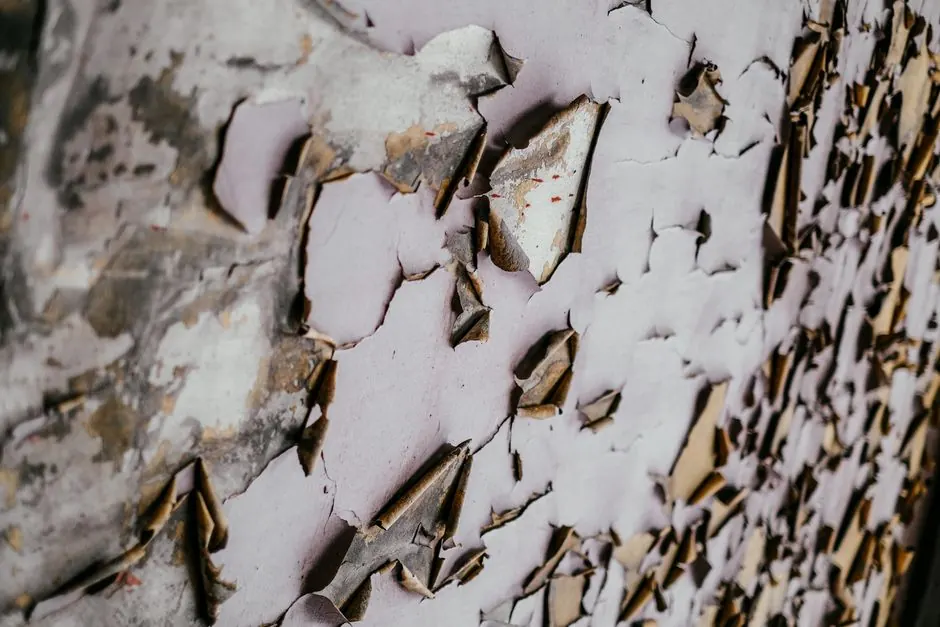
If you've noticed your ceiling paint peeling after a water leak, you're not alone. This common issue can be frustrating and unsightly, but understanding the underlying reasons can help you address it effectively. In this article, we will explore why your ceiling paint is peeling after a water leak in Tampa and provide actionable solutions to restore your ceiling.
Understanding Ceiling Paint Peeling
Peeling paint on your ceiling is often a sign of moisture damage. When water seeps into the ceiling materials, it can weaken the bond between the paint and the surface. This leads to unsightly peeling, bubbling, or flaking. In Tampa, where humidity levels can be high, this problem is particularly prevalent.
Common Causes of Peeling Ceiling Paint
Several factors can contribute to ceiling paint peeling causes Tampa. Understanding these can help you prevent future issues:
- Water Damage: The primary cause is usually a water leak from plumbing, roofs, or HVAC systems.
- High Humidity: Tampa's humid climate can exacerbate moisture retention in ceilings.
- Improper Preparation: If the ceiling wasn't properly primed or cleaned before painting, the paint may not adhere well.
- Old Paint: Older paint can become brittle and lose adhesion over time.
- Temperature Fluctuations: Rapid changes in temperature can cause expansion and contraction, leading to cracks and peeling.
How to Fix Peeling Ceiling Paint in Tampa
To address peeling ceiling paint effectively, follow these steps:
- Identify the Source of Moisture: Check for leaks in plumbing or roofing. You may need professional ceiling leak detection near me Tampa services to pinpoint hidden leaks.
- Remove Peeling Paint: Use a scraper to gently remove the damaged paint. Be careful not to damage the underlying surface.
- Repair Damage: If there are any holes or cracks, fill them with a suitable filler and sand the area smooth.
- Prime the Surface: Apply a quality primer designed for moisture-prone areas to ensure proper adhesion.
- Repaint: Use a high-quality paint that is resistant to moisture and mildew. Look for options specifically designed for high-humidity environments.
Best Ceiling Paint Solutions for Leaks in Tampa
When selecting paint for your ceiling, consider the following options that work well in Tampa's climate:
- Mold-Resistant Paint: These paints contain antimicrobial agents that help prevent mold growth.
- Water-Resistant Paint: Ideal for areas prone to moisture, ensuring durability and longevity.
- High-Quality Acrylic Paint: Offers excellent adhesion and flexibility, making it suitable for various conditions.
Common Mistakes to Avoid
When dealing with peeling ceiling paint, avoid these common pitfalls:
- Neglecting to address the source of moisture before repainting.
- Using low-quality paint that may not withstand Tampa's humidity.
- Skipping the priming step, which can lead to further peeling.
When to Call a Professional
If the damage is extensive or if you have difficulty identifying the source of the leak, it may be time to call in the experts. At Tampa Water Damage Pros, we offer Emergency ceiling water damage repair in Tampa to help you restore your home quickly and efficiently.
Frequently Asked Questions
What should I do if my ceiling paint is peeling in Tampa?
Start by identifying the source of moisture. Once the leak is fixed, remove the peeling paint and repair the surface before repainting.
How can I prevent ceiling paint peeling after a leak in Tampa?
Ensure proper ventilation, use high-quality paint, and regularly inspect for leaks to prevent future issues.
Do I need to repaint my ceiling after a leak in Tampa?
Yes, if your ceiling paint is peeling, you will need to repaint after addressing the moisture issue to ensure a clean and secure finish.
How much does it cost to repair ceiling paint in Tampa?
The cost can vary based on the extent of the damage and the materials used, but you can expect to pay between $200 and $600 for professional services.
Can I fix peeling ceiling paint myself?
Yes, if the damage is minor and you are comfortable with DIY repairs, you can follow the steps outlined above. However, for extensive damage, professional help is recommended.